Michigan trout-river map
6 USGS gauge pins · no API keyExplore actual USGS gauge locations and select a pin to read its river conditions. These are monitoring stations—not public fishing access, hatch locations, or guarantees of mayfly activity.
Loading the geographic map. A self-contained station locator is available if map services fail.
Basemap: © OpenStreetMap contributors. If map tiles cannot load, a clickable on-page station locator takes over automatically.
What mayfly am I looking at?
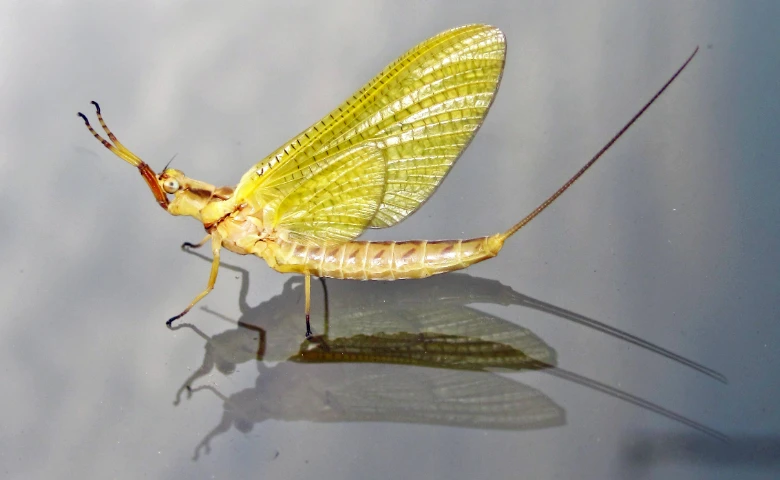
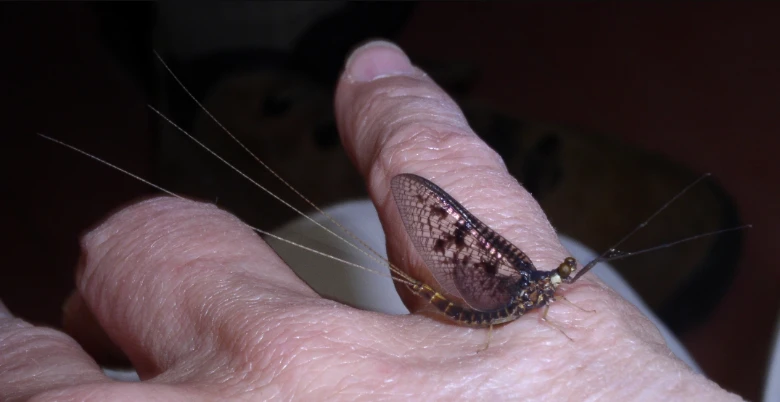
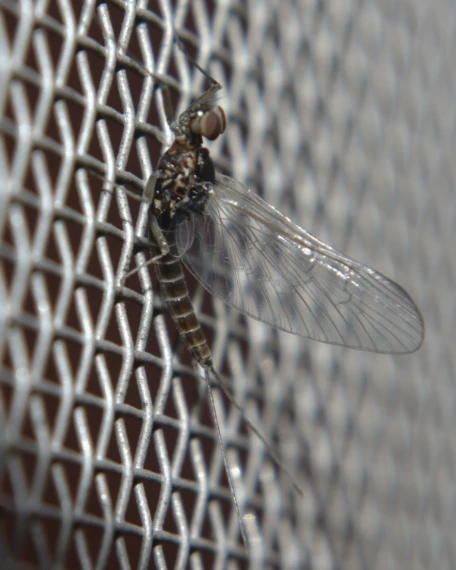
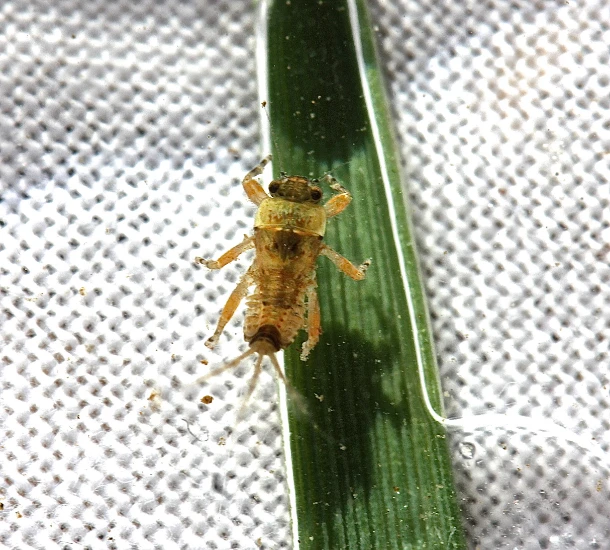
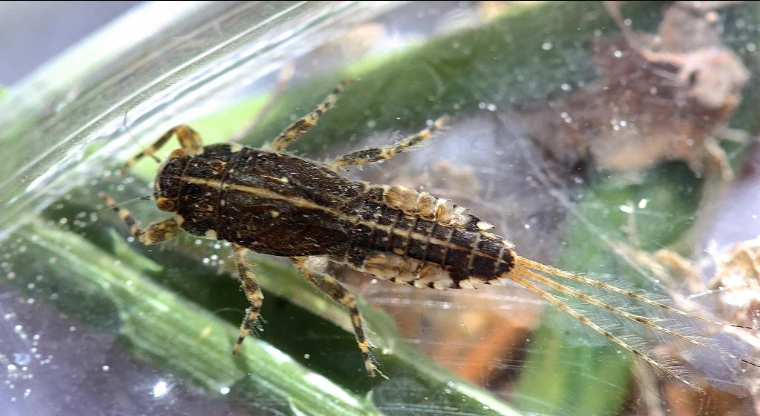
Compare actual photographs of the mayflies anglers talk about, then connect an insect to its normal season, preferred time of activity, and current river conditions. Look for the stage label on each photograph—two are aquatic nymphs, three are winged adults. Different sexes and species can also look alike; these are visual clues, not automatic species identifications.
Loading credited field-reference photos…
Help me narrow down the fly
Look first at size, body color and when it appeared. The results suggest photos to compare—not a definitive species ID.
Select clues to see suggested species photos.
First make sure it's a mayfly: adult mayflies normally hold large front wings upright at rest and have long tail filaments. Caddisflies commonly fold hairy wings roof-like; midges lack long mayfly tails. A mayfly dun has more opaque wings; a mature spinner usually has clearer wings. Take a sharp side-view photo and include a coin or fingertip for scale.
Compare a picture from your phone
Put your own photo beside the species images to look at wing shape, tails and colors. This is manual comparison—not a photo-identification service.
Your picture stays on your own device/browser. The site never uploads or stores it.
Accuracy note: “Hex,” “sulphur,” and “BWO” are angling shorthand, not reliable species IDs from color alone. Hendrickson and Sulphur photos here show aquatic NYMPHS, not flying adults; Brown Drake, Hex, and BWO photos show winged adults. Adult, dun, spinner and nymph appearances can differ substantially. Source credits and licenses are linked below every image. Expert identification often requires diagnostic details beyond a photo.
Michigan trout-river hatch board
Checking USGS stations…Five renowned river systems. Six monitored locations. Each card reports its named gauge; famous upstream fly-fishing reaches do not inherit temperatures from downstream flow stations.
Michigan water temperature right now
Measured USGS °F, not a hatch rankingSee which monitored rivers are actually warm or cool. Temperatures are observed at the listed gauge only; rivers with no fresh sensor reading stay visibly unavailable.
Checking measured temperatures at six river stations…
Compare river conditions
No species sightings claimedImportant: A gauge recording favorable water temperatures is not a confirmed hatch. At 68°F or warmer, the trout-fishing signal is suppressed for catch-and-release safety. Missing water temperatures are never estimated from air temperature or a different river.
Your river, explained
Pick a real monitoring station. The charts show what the water is doing, which parts are measured, and what remains a seasonal guess.
Usual time of activity, not a scheduled hatch.
Carry several sizes; match the insects actually visible.
How water temperature is changing
USGS measured history and, only where supported, an experimental three-day scenario.
Checking USGS readings…
Where this hatch fits in the year
Broad seasonal context, not a promised emergence date.
A gauge is a point, not the whole river.
Connecting measured river and weather sources…
Next seven days of water and weather
Not a verified insect forecastDays 1–3: possible scenario if measured water history exists. Days 4–7: weather context only.
Waiting for weather…
Signature mayfly seasons
Broad field-guide windows, not fixed hatch datesAfternoon mayflies on warming spring water. Au Sable, Manistee, and Pere Marquette dry-fly fishing highlights.
Large dusk mayflies; sand and soft bottom matter more than a famous access location.
Michigan's legendary nighttime dry-fly event. Au Sable, Manistee, Pere Marquette and other suitable slow, silty trout water.
Often evening activity, sometimes mixed with other mayflies. A temperature match never guarantees a rising fish.
Habitat correction: Michigan DNR Au Sable Natural River Plan. General trout stream context: Michigan DNR brown trout. This board is an uncalibrated habitat- and weather-based watch.
Looking for lake fish flies instead?
Great Lakes shoreline Hexagenia swarms are a distinct phenomenon from Michigan's fly-fishing hatch destinations. The lakefly environmental and documented-specimen tool remains available separately for people tracking Saginaw Bay or Lake Erie.